
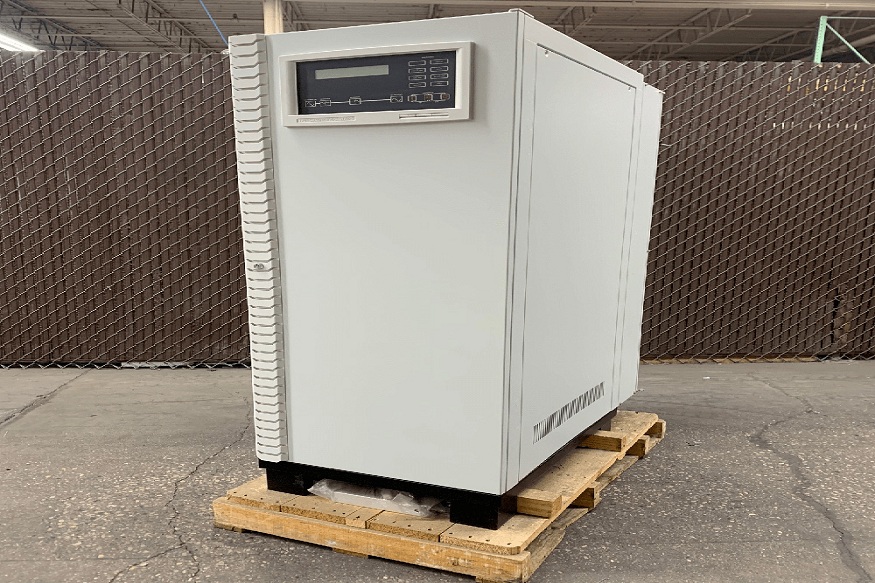
The global manufacturing sector is currently standing at a crossroads. As the pressure to reduce carbon emissions and energy consumption intensifies, industrial facilities are being forced to rethink their relationship with power. In this pursuit of efficiency, a critical piece of technology has emerged as a silent hero:Visicomm Industries frequency changers. While these devices have been utilized for decades to adapt electrical power to specific machine requirements, their role is being fundamentally reimagined in the context of sustainability. No longer seen as simple converters, frequency changers are becoming the intelligent gateways that allow modern factories to synchronize with renewable energy sources and eliminate the inherent waste of traditional mechanical systems.
The Shift from Mechanical Throttling to Digital Precision
For much of industrial history, energy waste was considered an unavoidable byproduct of production. Large electric motors would run at full speed regardless of the actual workload, with their output controlled by physical obstructions like dampers, valves, or brakes. This method is incredibly inefficient, as the motor continues to draw maximum power while the mechanical system fights against it. The future of sustainable manufacturing lies in the total elimination of this outdated approach through the widespread adoption of frequency changers.
By digitally adjusting the frequency of the electrical supply, these devices allow motors to spin only as fast as necessary to meet the immediate demand. This precision does more than just save electricity; it reduces the thermal and mechanical stress on the equipment. When a motor is no longer subjected to the constant heat of full-load operation or the violent shocks of across-the-line starts, its operational lifespan is significantly extended. This contributes to a “circular” manufacturing philosophy by reducing the frequency of equipment replacement and the associated environmental cost of producing new machinery.
Harmonizing the Factory Floor with Renewable Energy
One of the most significant challenges in the transition to green manufacturing is the inherent volatility of renewable energy. Solar and wind power do not provide a constant, unwavering stream of electricity like traditional fossil fuel plants. To maintain a stable production line while powered by the sun or wind, factories require a sophisticated interface that can manage fluctuations in input without disrupting sensitive machinery. Frequency changers are becoming the primary tool for this stabilization.
Modern frequency changers are being designed with advanced grid-tie capabilities that allow them to act as buffers. They can take the variable DC output from solar arrays or the inconsistent AC from wind turbines and convert it into a perfectly stable frequency for the factory floor. Furthermore, the future of these devices involves “regenerative” technology, where energy created by braking motors or descending elevators is captured and fed back into the facility’s microgrid rather than being dissipated as waste heat. This creates a closed-loop energy system that maximizes every kilowatt generated on-site.
The Integration of Artificial Intelligence and Predictive Analytics
As manufacturing moves toward a more connected, data-driven model, the frequency changer is evolving into a smart sensor. Future industrial landscapes will not just use these devices to change power; they will use them to listen to the machines. By monitoring the subtle changes in electrical frequency and current draw, a smart frequency changer can detect the earliest signs of a bearing failure or a misaligned belt long before a human operator could.
In a sustainable framework, this predictive capability is invaluable. It prevents catastrophic failures that result in wasted raw materials and energy-intensive emergency repairs. When an AI-driven system can optimize the frequency of every motor in a plant in real-time based on production schedules and current energy prices, the facility reaches a level of efficiency that was previously impossible. This digital layer allows manufacturers to do more with less, shrinking the environmental footprint of every unit produced.
Conclusion
The evolution of frequency changers represents a shift from a reactive industrial mindset to a proactive, sustainable one. By providing the precision control necessary to eliminate energy waste, the stability required utilizing renewable power, and the data needed to optimize maintenance, these devices have become essential architects of the modern green factory. The future of manufacturing will not be defined by the size of the machines, but by the intelligence and efficiency with which they are powered.