
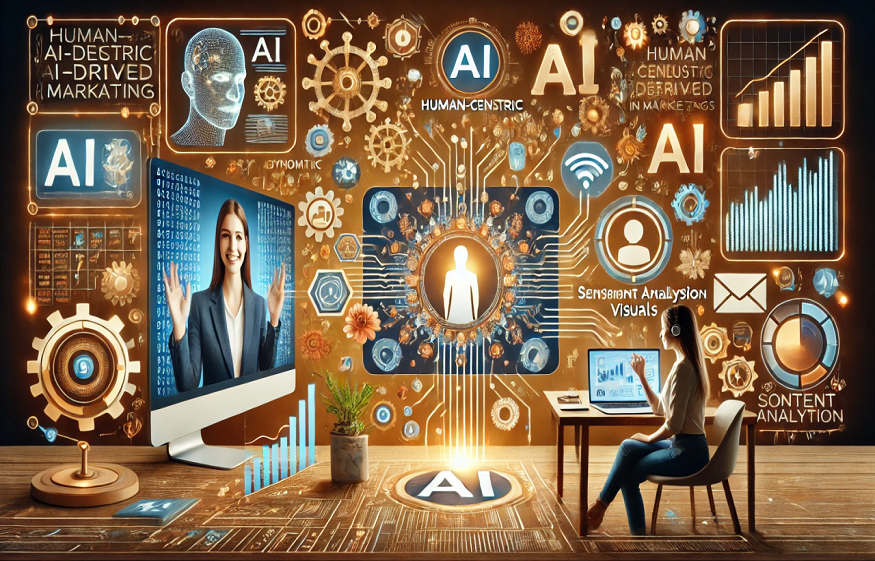
In today’s fast evolving digital landscape, marketing is no longer driven by intuition alone. Businesses are increasingly relying on data, automation, and intelligent systems to stay competitive. This shift has given rise to AI-driven marketing, a powerful approach that uses artificial intelligence to optimize campaigns, understand customer behavior, and deliver highly personalized experiences.
As organizations embrace AI-driven digital transformation, marketing teams are finding new ways to connect with audiences, improve efficiency, and drive measurable growth. This guide explores how to build a successful AI-driven marketing strategy from the ground up, offering practical insights and actionable steps.
Understanding AI-driven Marketing
AI-driven marketing refers to the use of artificial intelligence technologies to enhance marketing efforts. It involves analyzing large volumes of data, predicting customer behavior, and automating decision making processes.
Read More: Powering the Green Revolution: The Future of Frequency Changers in Sustainable Manufacturing
Unlike traditional marketing methods, AI-driven marketing adapts in real time. It learns from customer interactions and continuously improves campaign performance. This dynamic approach allows businesses to deliver the right message to the right audience at the right time.
AI-driven digital transformation plays a key role in this process by integrating intelligent systems across all marketing channels. This ensures consistency, efficiency, and deeper insights into customer journeys.
Why AI-driven Marketing Matters Today
Modern consumers expect personalized and seamless experiences. They interact with brands across multiple platforms, leaving behind valuable data at every touchpoint. Without AI, it becomes nearly impossible to process and utilize this data effectively.
AI-driven marketing helps businesses:
- Improve customer targeting
- Enhance personalization
- Optimize campaign performance
- Reduce operational costs
- Increase return on investment
By leveraging AI-driven digital transformation, organizations can move from reactive marketing to proactive engagement.
Core Components of an AI-driven Marketing Strategy
Building an effective AI-driven marketing strategy requires a strong foundation. Here are the key components to consider:
Data Collection and Management
Data is the backbone of AI-driven marketing. Businesses must gather data from various sources such as websites, social media, email campaigns, and customer interactions.
However, collecting data is not enough. It must be organized, cleaned, and stored in a way that allows AI systems to analyze it efficiently. High quality data leads to more accurate insights and better decision making.
Customer Segmentation
AI can segment audiences based on behavior, preferences, and demographics. This allows marketers to create highly targeted campaigns that resonate with specific groups.
Advanced segmentation goes beyond basic categories. It identifies patterns and predicts future actions, enabling more effective engagement.
Predictive Analytics
Predictive analytics uses historical data to forecast future outcomes. In AI-driven marketing, this helps businesses anticipate customer needs and tailor their strategies accordingly.
For example, predictive models can identify which customers are likely to make a purchase or churn, allowing marketers to take timely action.
Content Personalization
Personalization is a key driver of customer satisfaction. AI systems analyze user behavior to deliver customized content, recommendations, and offers.
This level of personalization enhances user experience and increases conversion rates. It also strengthens brand loyalty over time.
Marketing Automation
Automation streamlines repetitive tasks such as email campaigns, social media posting, and ad management. AI takes automation a step further by optimizing these tasks based on real time data.
This not only saves time but also improves accuracy and effectiveness.
Steps to Build an AI-driven Marketing Strategy
Creating a successful AI-driven marketing strategy involves a structured approach. Below are the essential steps:
Define Clear Objectives
Start by identifying your business goals. Whether it is increasing brand awareness, generating leads, or boosting sales, clear objectives provide direction for your strategy.
Align these goals with your overall AI-driven digital transformation initiatives to ensure consistency across the organization.
Invest in the Right Technology
Choosing the right tools is critical for implementing AI-driven marketing. Look for platforms that offer data analytics, automation, and machine learning capabilities.
The technology should integrate seamlessly with your existing systems and scale as your business grows.
Build a Skilled Team
AI-driven marketing requires expertise in data analysis, technology, and strategy. Building a team with the right skills is essential for success.
This may involve hiring specialists or training existing employees to work with AI tools effectively.
Develop a Data Strategy
A well defined data strategy ensures that your AI systems have access to accurate and relevant information. Focus on data quality, security, and compliance.
This is a crucial aspect of AI-driven digital transformation, as it supports long term scalability and trust.
Test and Optimize
AI-driven marketing thrives on continuous improvement. Regularly test different strategies, analyze results, and refine your approach.
Use AI insights to identify what works and what does not, allowing you to optimize campaigns for better performance.
Real World Applications of AI-driven Marketing
AI-driven marketing is being used across industries to achieve impressive results. Some common applications include:
Email Marketing Optimization
AI analyzes user behavior to determine the best time to send emails, the most effective subject lines, and personalized content. This leads to higher open and click through rates.
Chatbots and Customer Support
AI powered chatbots provide instant responses to customer queries, improving user experience and reducing response time.
Ad Targeting and Optimization
AI systems analyze audience data to deliver highly targeted ads. They also adjust campaigns in real time to maximize performance.
Social Media Insights
AI tools track social media trends, monitor brand mentions, and analyze audience sentiment. This helps businesses make informed decisions and stay ahead of competitors.
Challenges in AI-driven Marketing
While AI-driven marketing offers significant benefits, it also comes with challenges that businesses must address:
Data Privacy Concerns
Handling customer data responsibly is essential. Businesses must comply with regulations and ensure transparency in data usage.
Integration Issues
Integrating AI tools with existing systems can be complex. Proper planning and technical expertise are required to overcome these challenges.
High Initial Investment
Implementing AI solutions may require a substantial investment. However, the long term benefits often outweigh the costs.
Skill Gaps
There is a growing demand for professionals with AI expertise. Bridging this gap is crucial for successful implementation.
Future of AI-driven Digital Transformation in Marketing
The future of AI-driven marketing is promising. As technology continues to evolve, businesses will have access to more advanced tools and capabilities.
Some emerging trends include:
- Greater use of real time data for instant decision making
- Enhanced personalization through deeper insights
- Increased adoption of voice and visual search
- Integration of AI across all customer touchpoints
AI-driven digital transformation will continue to reshape the marketing landscape, enabling businesses to deliver more meaningful and impactful experiences.
Best Practices for Long Term Success
To ensure the success of your AI-driven marketing strategy, consider the following best practices:
- Focus on customer centric approaches
- Maintain data accuracy and security
- Continuously update and refine your strategy
- Stay informed about new AI developments
- Encourage collaboration between teams
By following these practices, businesses can maximize the benefits of AI-driven marketing and achieve sustainable growth.
AI-driven marketing is transforming the way businesses connect with their audiences. By leveraging artificial intelligence, organizations can gain deeper insights, automate processes, and deliver highly personalized experiences.
Read More: Important Facilities Management KPIs To Track in 2026
As part of a broader AI-driven digital transformation, this approach empowers businesses to stay competitive in an increasingly data driven world. Building a successful AI-driven marketing strategy requires careful planning, the right tools, and a commitment to continuous improvement.
Those who embrace this shift will not only enhance their marketing efforts but also unlock new opportunities for innovation and growth in the digital age.